The ongoing conflict in the Middle East has triggered a political firestorm in the Indian Parliament, with the opposition demanding an immediate discussion on its economic fallout.
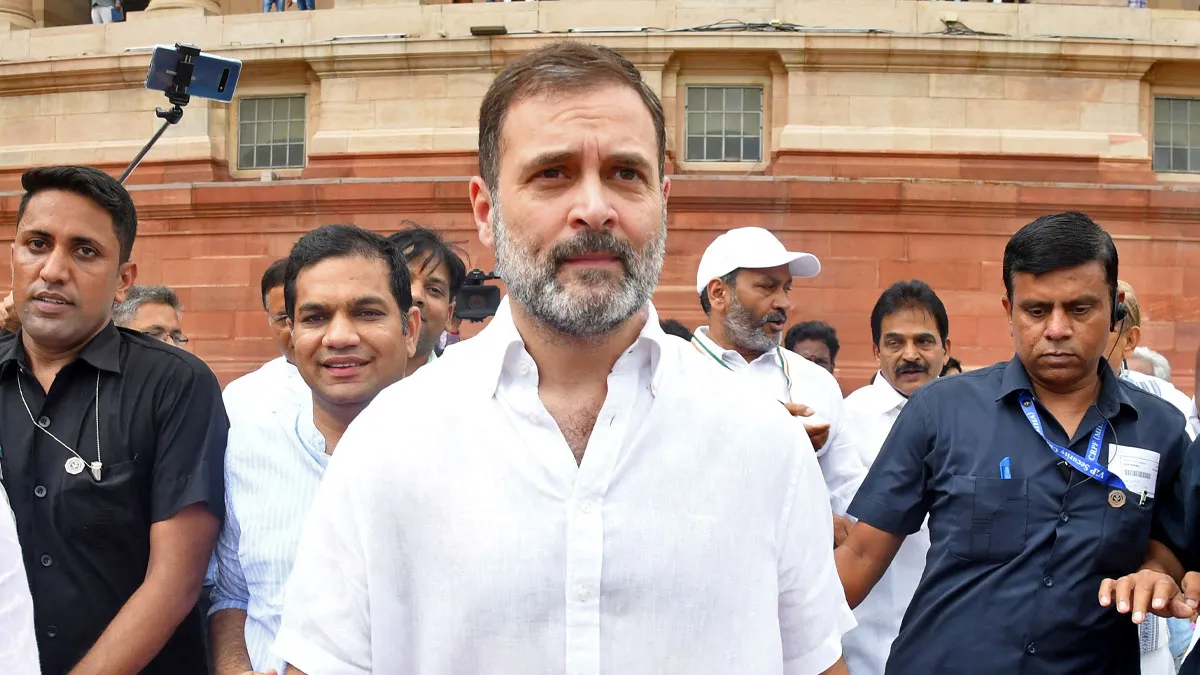
Leader of Opposition Rahul Gandhi today led a fierce offensive, asserting that the West Asia Crisis Parliament Debate (West Asia Crisis Parliament Debate) is a matter of urgent national importance that the government is intentionally ignoring.
Rahul Gandhi Warns of Economic Disaster
Addressing the House, Gandhi cautioned that the regional conflict signals a major “paradigm shift” that will severely impact the Indian economy. He pointed to the recent volatility in the stock market as evidence that the financial sector is already feeling the tremors of the war.
“Is the West Asia issue so insignificant that it cannot be discussed?” Gandhi asked, stressing that issues like rising fuel prices and potential economic ruin must be the Parliament’s top priority.
Attacks on PM Modi and the US Deal
The Congress leader went a step further, accusing Prime Minister Narendra Modi of compromising national interests during a recent agreement with the United States. Gandhi alleged that the deal was a result of “compulsion or blackmail,” leaving India in a vulnerable position. He claimed the government is shying away from a debate because it fears the Prime Minister’s weakened stance and the true nature of the agreement will be exposed before the public.
Jaishankar Defends India’s Diplomatic Stance
Responding to the allegations, External Affairs Minister S Jaishankar maintained that India’s top priority remains the safety of its citizens and the protection of its national interests. He informed the House that the government has already facilitated the return of 67,000 Indian nationals from the crisis-hit regions.
Jaishankar reiterated India’s support for the sovereignty and territorial integrity of all nations in the region, advocating for dialogue and diplomacy as the only way forward.
Rising Casualties and Strategic Concerns
The intensity of the crisis escalated significantly following the February 28 military strikes by the US and Israel on Iran, which resulted in the death of Iran’s Supreme Leader, Ayatollah Ali Khamenei. Official figures now suggest the death toll has reached 1,230 in Iran and 397 in Lebanon.
For India, the stakes are high as the region is a primary source of crude oil. Any prolonged disruption in the Strait of Hormuz could lead to an unprecedented surge in domestic inflation and energy shortages.